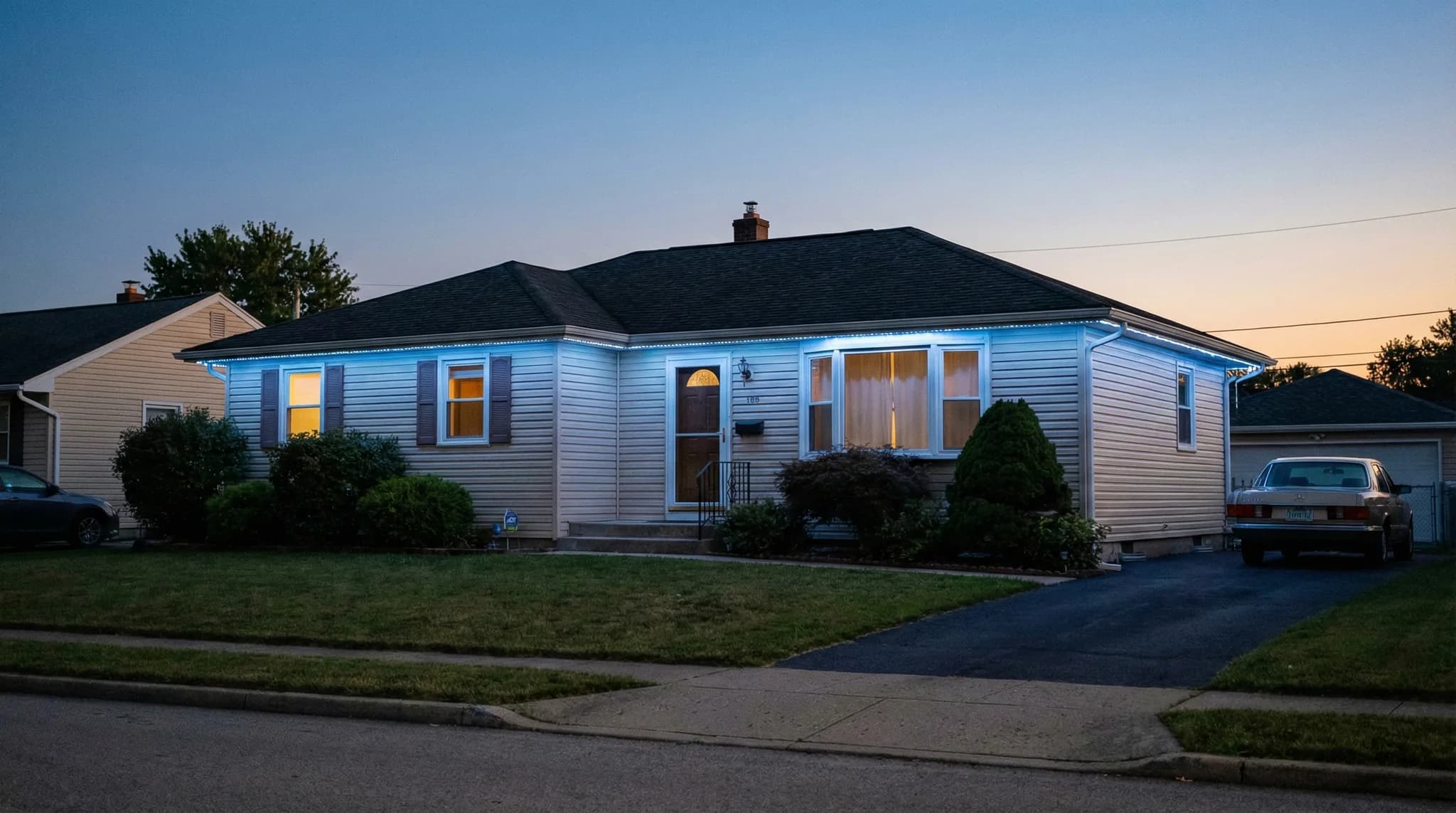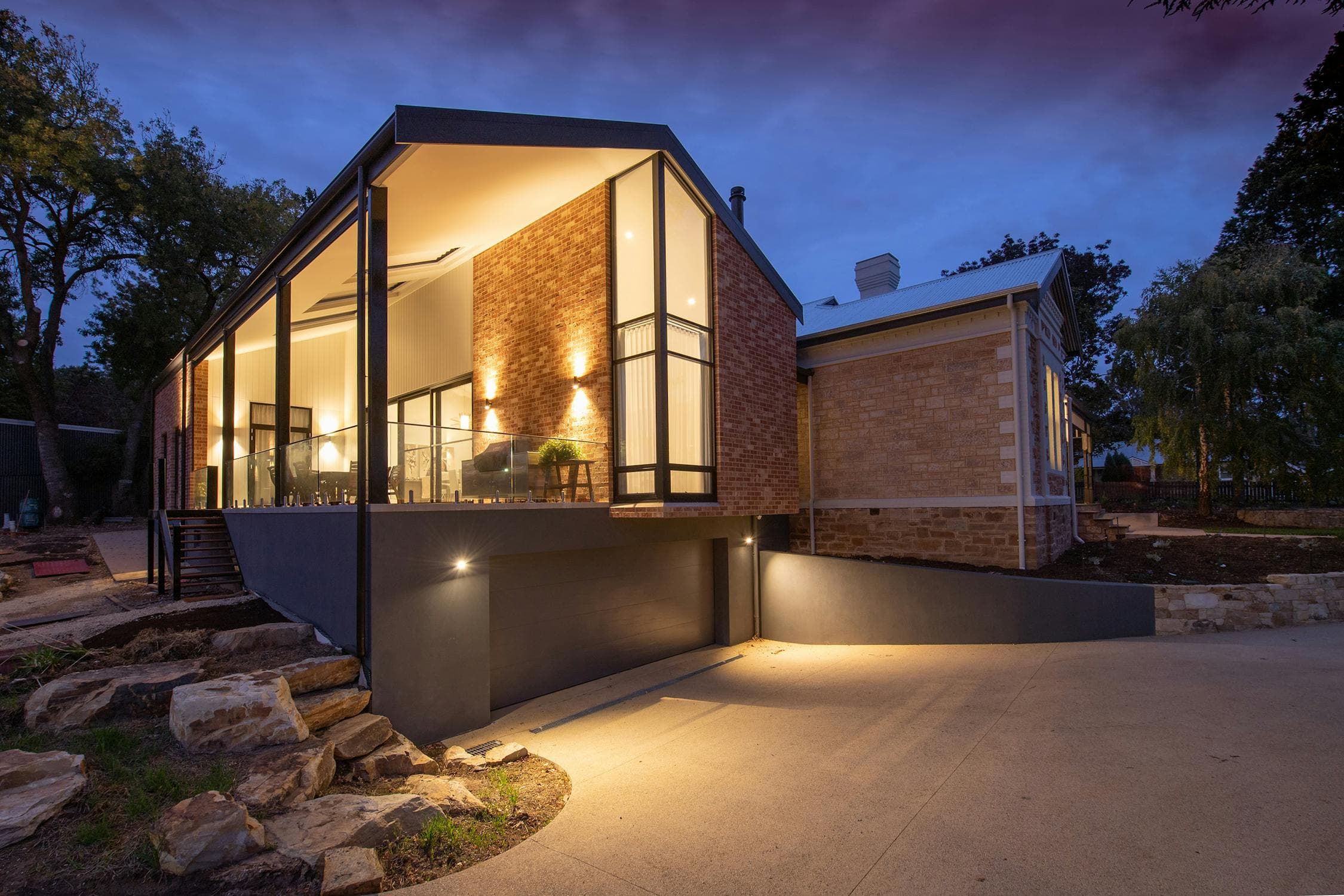
Permanent LED lights along the roofline define architectural lines and create the kind of curb appeal that buyers notice from the street. Photo: Pexels
Permanent outdoor lights transform curb appeal more than almost any other single exterior upgrade. The data backs it up: homes with strong curb appeal sell for 7% more than comparable properties, according to a 2025 study from the University of Texas at Arlington published via Phys.org. Applied to Sacramento County's median home price of roughly $530,000 (Zillow, Q1 2026), that 7% translates to about $37,100 in additional value at the point of sale.
Sacramento homeowners are catching on. Across neighborhoods from East Sacramento to Natomas to Granite Bay, permanent LED roofline lighting systems are replacing the old cycle of hanging holiday lights in November and pulling them down in January. The result is a home exterior that looks polished every single night of the year — not just during the holidays.
This guide covers how permanent outdoor lights improve curb appeal, which lighting approaches create the biggest visual impact, what Sacramento homeowners should consider for their specific home styles, and why the investment pays off well beyond aesthetics. For the full financial breakdown, see our permanent outdoor lights and home value analysis.
TL;DR: Permanent outdoor lights are one of the most effective curb appeal upgrades for Sacramento homes. Curb appeal adds 7% to sale price (UT Arlington, 2025). NAR's Outdoor Features Report gives landscape lighting a perfect 10/10 Joy Score with 59% cost recovery at resale. Warm white (2700K–3000K) roofline lighting is the foundation, with app-controlled color changes for holidays, events, and seasons. A typical Sacramento installation runs $3,000 to $6,000 and eliminates recurring holiday light costs of $300–$800 per year.
Why Permanent Outdoor Lights Are the Top Curb Appeal Upgrade
Most curb appeal improvements work during daylight hours only. Fresh paint, a new front door, manicured landscaping — all invisible after sunset. Permanent outdoor lights flip that equation. They make your home look its best during the hours when other homes fade into the dark.
That matters more than most homeowners realize. Real estate agents estimate that half of all buyer activity — online browsing, drive-bys, showing requests — happens in the evening. A home with professional roofline lighting stands out on every evening drive through the neighborhood and in every twilight listing photo.
The National Association of Realtors and the National Association of Landscape Professionals found in their Outdoor Features Remodeling Impact Report that landscape lighting earns a perfect 10 out of 10 Joy Score from homeowners, with 59% cost recovery at resale and an estimated project cost of $6,800. Permanent LED systems often cost less than that benchmark while delivering more visual impact because they illuminate the entire roofline rather than spotlighting a few landscape features.
Here's what makes permanent outdoor lights different from other curb appeal projects:
- 24/7 visibility: Unlike paint, landscaping, or a new front door, roofline lighting works after dark when many buyers first see your home.
- Year-round impact: No seasonal installation or removal. The lights run every night, transforming your home's appearance 365 days a year.
- Smart home integration: App-controlled color changes, scheduling, and home automation compatibility add perceived tech value that buyers increasingly expect.
- Minimal maintenance: LED systems rated for 50,000+ hours require almost no upkeep compared to landscaping, which needs ongoing water, trimming, and seasonal care.
How Permanent Lights Change the Look of Your House
The visual transformation from permanent outdoor lights comes down to three architectural effects that work together: roofline definition, depth creation, and color temperature control.
Roofline Definition
Sacramento homes — whether single-story ranch, two-story stucco, or Mediterranean tile-roof — share a common trait: the roofline disappears at night. Permanent LED track mounted along the fascia board outlines the entire roofline in light, giving the home a defined silhouette after sunset.
This is the single biggest visual change. A home that blends into the dark suddenly has architectural presence. Every gable, hip, and eave becomes visible, and the house reads as larger and more intentional from the street. For homes with complex rooflines common in Folsom, Roseville, and El Dorado Hills, the effect is dramatic.
Depth and Dimension
Flat-looking home exteriors are a common complaint, especially on newer Sacramento tract homes with minimal architectural detail. Permanent lights create depth by casting a gentle downwash from the roofline across the facade. This highlights texture in stucco, stone veneer, or siding and creates shadow lines that make the exterior look three-dimensional.
Homeowners who extend their system to driveways and walkways or patios and pergolas multiply this effect. Multiple lighting zones at different heights create layers of illumination that give the entire property a professional, resort-like quality.
Color Temperature Control
Color temperature is the difference between a home that looks warm and inviting versus cold and institutional. Permanent LED systems give you precise control over this.
For everyday curb appeal, 2700K to 3000K warm white is the standard. It complements Sacramento's earth-tone stucco and warm-toned stone exteriors without looking commercial. For a deeper guide on choosing colors for every occasion, see our best permanent outdoor lighting colors guide.
Pro Tip
Run warm white (2700K) as your nightly default and save color scenes for holidays and events. Consistency is what builds neighborhood-level curb appeal. Homes that cycle through random colors nightly lose the “polished and intentional” impression that drives property value. The warm white foundation tells every passerby and every potential buyer that this home is well-maintained.
Front of House Permanent Lights: Where to Focus for Maximum Impact
Not all exterior lighting carries equal curb appeal weight. The front of the house is where 90% of the impression is formed. Here's where to prioritize your permanent light installation for the greatest visual return.
Roofline: The Non-Negotiable Starting Point
Every permanent lighting project starts with the front-facing roofline. This single zone creates the most dramatic before-and-after transformation. The LED track mounts to the fascia board beneath the roof edge, casting light downward across the home's facade.
For Sacramento homes with stucco exteriors and tile roofs, the fascia-mount approach works perfectly — no drilling into stucco, no contact with tile, and the track virtually disappears during daylight hours.
Garage Facade and Front Entry
The garage door is the single largest visual element on most Sacramento home frontages. Lighting the garage fascia line and the entry area frames the two focal points that buyers notice first. Many homeowners skip this zone and create an unintentional dark gap between the lit roofline above and the ground below.
Architectural Features and Accent Zones
Columns, stone veneer sections, gabled entryways, and covered porches all benefit from dedicated lighting zones. These accent areas use the same LED track system but can run independent colors and brightness levels through the app.
For two-story Sacramento homes, the second-story roofline adds substantial visual height and presence from the street. The combination of upper and lower roofline lighting on a two-story home is one of the most impactful curb appeal transformations available.
Outdoor Lighting Curb Appeal Ideas for Sacramento Home Styles
Sacramento's housing stock spans multiple architectural styles, and the best permanent lighting approach varies by home type. Here are the most effective curb appeal strategies for the home styles you see across the region.
Single-Story Ranch Homes
Ranch homes are the most common style in Sacramento neighborhoods like Arden-Arcade, Carmichael, and South Natomas. The challenge with single-story homes is that the roofline sits low, so lighting needs to work harder to create visual height.
The approach: install permanent lights along the full front-facing roofline and extend around both sides to the first corner. Add a second zone along the garage fascia if the garage faces the street. Warm white at 2700K on a low-to-medium brightness creates a subtle glow that makes the home look larger without overwhelming the single-story scale.
Two-Story Stucco Homes
Two-story homes in Elk Grove, Roseville, and Rancho Cordova get the most dramatic transformation from permanent lights because there is more roofline footage to illuminate. Lighting both the upper and lower rooflines creates a layered effect that defines the home's full height and makes architectural features like balconies and window trim pop.
Mediterranean and Tile-Roof Homes
Common in Granite Bay, Folsom, and El Dorado Hills, Mediterranean homes feature complex rooflines with multiple hips, valleys, and gables. These homes benefit the most from full-perimeter installation because the lighting traces every roofline angle, turning architectural complexity into a visual asset rather than a flat shadow.
All three styles use the same fascia-mount installation method. For specifics on how permanent lights install on stucco and tile without damage, read our stucco and tile roof installation guide.
| Home Style | Recommended Zones | Best Color Temp | Typical Cost |
|---|---|---|---|
| Single-story ranch | Front roofline + garage | 2700K | $2,500–$4,000 |
| Two-story stucco | Upper + lower roofline, garage | 2700K–3000K | $4,000–$6,500 |
| Mediterranean | Full perimeter + accent zones | 2700K | $5,000–$8,000 |
| Modern/contemporary | Clean roofline + fascia accents | 3000K | $3,500–$6,000 |
Costs reflect typical Sacramento installations including system, controller, and professional labor with lifetime warranty.
Permanent Outdoor Lights vs. Traditional Curb Appeal Lighting
Sacramento homeowners often compare permanent LED roofline systems against traditional exterior lighting options. Each approach serves curb appeal differently. Here's how they stack up.
Permanent LED Roofline vs. Landscape Spotlights
Traditional landscape lighting uses ground-mounted spotlights and path lights aimed upward at trees, walls, and architectural features. It creates dramatic shadows and highlights but leaves the roofline dark. Permanent LED systems light from the top down, defining the home's shape rather than spotlighting individual elements.
The two systems complement each other. Landscape lighting for garden beds and trees plus permanent roofline lighting for architectural definition creates the most complete curb appeal package.
Permanent Lights vs. Seasonal Holiday Lights
The curb appeal comparison is straightforward: holiday lights work for 6–8 weeks per year, then your home sits dark for the remaining 44–46 weeks. Permanent lights deliver curb appeal every night. The financial comparison is equally clear — annual holiday light installation and removal in Sacramento costs $300 to $800 per year, which means the permanent system pays for itself within 4 to 7 years while providing year-round benefit.
What Color Permanent Outdoor Lights Look Best on a House?
This is the question Sacramento homeowners ask most during consultations, and the answer depends on the goal. Different colors serve different curb appeal objectives.
Everyday Curb Appeal: Warm White
For nightly curb appeal, warm white at 2700K to 3000K outperforms every other option. It looks intentional, upscale, and timeless. Warm white makes stucco glow, highlights stone and brick textures, and reads as “professionally designed” from the street. This is the color that adds home value and helps sell your house faster.
Holidays and Events: Color Scenes
The ability to switch to red and green for Christmas, red/white/blue for July 4th, purple for Sacramento Kings game nights, or orange for Halloween is what makes permanent lights worth the investment beyond basic curb appeal. Each color scene saves to the app and activates with a single tap. For a complete seasonal color guide, see our best permanent outdoor lighting colors breakdown.
Colors to Avoid for Everyday Use
Cool white (5000K+) reads as commercial and stark on residential homes. Solid blue looks institutional. Rapidly cycling rainbow patterns look novelty-oriented rather than polished. None of these help curb appeal or property value. Save bold colors for holidays and events.
See What Permanent Lights Look Like on Your Home
EXT Lighting provides free on-site consultations for Sacramento, Roseville, and Rocklin homeowners. We'll walk your property, discuss zones and colors, and provide a same-day quote.
Schedule Your Free ConsultationYear-Round Curb Appeal: How Sacramento Homeowners Use Permanent Lights Beyond Holidays
The curb appeal case for permanent outdoor lights goes far beyond Christmas. Sacramento homeowners with permanent systems report using them for year-round purposes that keep their home looking polished every season.
- Nightly curb appeal: Warm white runs automatically from dusk to a scheduled shutoff (typically 11 PM or midnight), creating a consistent exterior presence.
- Security and safety: Well-lit homes deter property crime. A visible, illuminated roofline signals an active, monitored property.
- Outdoor entertaining: Switch to a party color scene for backyard gatherings, dinner parties, or neighborhood events.
- Real estate showings: If you're selling, the lights run during every evening showing and look stunning in twilight listing photos. Listings with twilight photos receive 76% more views according to Redfin data.
- Seasonal themes: Cycle through holiday colors for every occasion without climbing a ladder once. Change holiday lighting patterns from your phone.
The ROI of Permanent Outdoor Lights for Sacramento Curb Appeal
Curb appeal is subjective, but the financial impact is measurable. Here's how the numbers work for a typical Sacramento homeowner.
The Curb Appeal Premium
The UT Arlington study found a 7% sale price premium for homes with strong curb appeal. On Sacramento County's approximate $530,000 median (Zillow, Q1 2026), that equals about $37,100. Lighting alone doesn't produce the full 7% — it combines with landscaping, paint, and overall maintenance — but it's one of the most cost-effective contributors because it transforms the home's appearance for a fraction of a kitchen remodel or new roof.
Eliminated Recurring Costs
Sacramento homeowners who hire professional holiday light installers typically spend $300 to $800 per year. Over a 10-year period, that's $3,000 to $8,000 — roughly the entire cost of a permanent system that delivers curb appeal 365 nights per year instead of 50.
Energy Costs
A full roofline permanent LED system draws 100 to 300 watts. At Sacramento's SMUD residential rates, running the system 6 hours nightly costs approximately $2 to $8 per month. That's less than most streaming subscriptions.
Pro Tip
If you're planning to sell your Sacramento home within the next 1–3 years, installing permanent outdoor lights now gives you the dual benefit of enjoying the curb appeal while you live there and maximizing the home's presentation when it hits the market. The system transfers to the buyer and is often highlighted as a selling feature in the listing description.
How to Choose a Permanent Outdoor Lighting Installer in Sacramento
The quality of your permanent lighting installation directly affects curb appeal. A sloppy installation with visible wiring, uneven spacing, or misaligned track will hurt your home's appearance rather than help it. Here's what to look for.
- Local Sacramento experience: Installers familiar with stucco homes, tile roofs, and Sacramento's extreme summer heat know which mounting methods and products hold up long-term.
- Clean, hidden wiring: Professional installations route all wiring through the soffit and attic space. Nothing should be visible from the street during the day.
- Lifetime warranty: Reputable installers back both parts and labor with a lifetime warranty. If they won't, move on.
- Before-and-after portfolio: Ask to see completed installations on home styles similar to yours. Photos taken at night from the street perspective tell you exactly what to expect.
For a detailed checklist, read our guide on choosing a permanent outdoor lighting installer in Sacramento.
Frequently Asked Questions
Do permanent outdoor lights improve curb appeal?
Yes. Permanent outdoor lights are one of the most effective curb appeal upgrades because they work after dark — when half of buyer activity occurs. Roofline lighting defines the home's architecture, creates depth on flat facades, and signals a well-maintained property. The NAR/NALP Outdoor Features Report gives landscape lighting a perfect 10 out of 10 homeowner Joy Score, and homes with strong curb appeal sell for 7% more according to the UT Arlington study (2025).
What is the best outdoor lighting for curb appeal?
Permanent LED roofline lighting in warm white (2700K–3000K) delivers the most consistent curb appeal impact. Unlike landscape spotlights that highlight individual features, roofline lighting defines the home's entire shape and silhouette. The combination of roofline lighting plus landscape spotlights creates the most complete exterior lighting package for maximum curb appeal.
How do permanent lights change the look of your house?
Permanent lights create three visual effects: roofline definition (the home's shape becomes visible after dark), depth and dimension (light washing down the facade highlights texture and creates shadow lines), and color temperature control (warm white makes stucco and stone glow). The overall effect is a home that looks architecturally intentional and well-maintained — even homes with simple designs gain significant visual presence.
What color permanent outdoor lights look best on a house?
Warm white at 2700K to 3000K is the best everyday color for curb appeal. It complements every exterior material — stucco, stone, brick, wood, and painted siding — without looking seasonal or themed. Save color scenes (holiday themes, team colors, party lighting) for specific occasions. Cool white (5000K+) and solid bright colors should be avoided for nightly use because they read as commercial or novelty rather than residential and polished.
How much do permanent outdoor lights cost in Sacramento?
Most Sacramento homeowners invest $3,000 to $6,000 for a front-facing roofline system with app control and a lifetime warranty. Full-perimeter installations on larger homes run $6,000 to $8,000. Single-story ranch homes start around $2,500. See our detailed Sacramento permanent outdoor lights cost guide for a full pricing breakdown by home size and style.
Do permanent outdoor lights increase home value?
The NAR/NALP Outdoor Features Report shows landscape lighting recovers 59% of its cost at resale with a 10/10 satisfaction score. Curb appeal — which permanent lights directly enhance — adds a 7% sale price premium according to the UT Arlington study. For a full breakdown, see our permanent outdoor lights and home value analysis.
Ready to Transform Your Home's Curb Appeal?
EXT Lighting designs and installs permanent outdoor LED lighting systems for Sacramento, Roseville, Rocklin, and surrounding communities. Every installation includes a lifetime warranty on parts and labor.
Get Your Free Quote