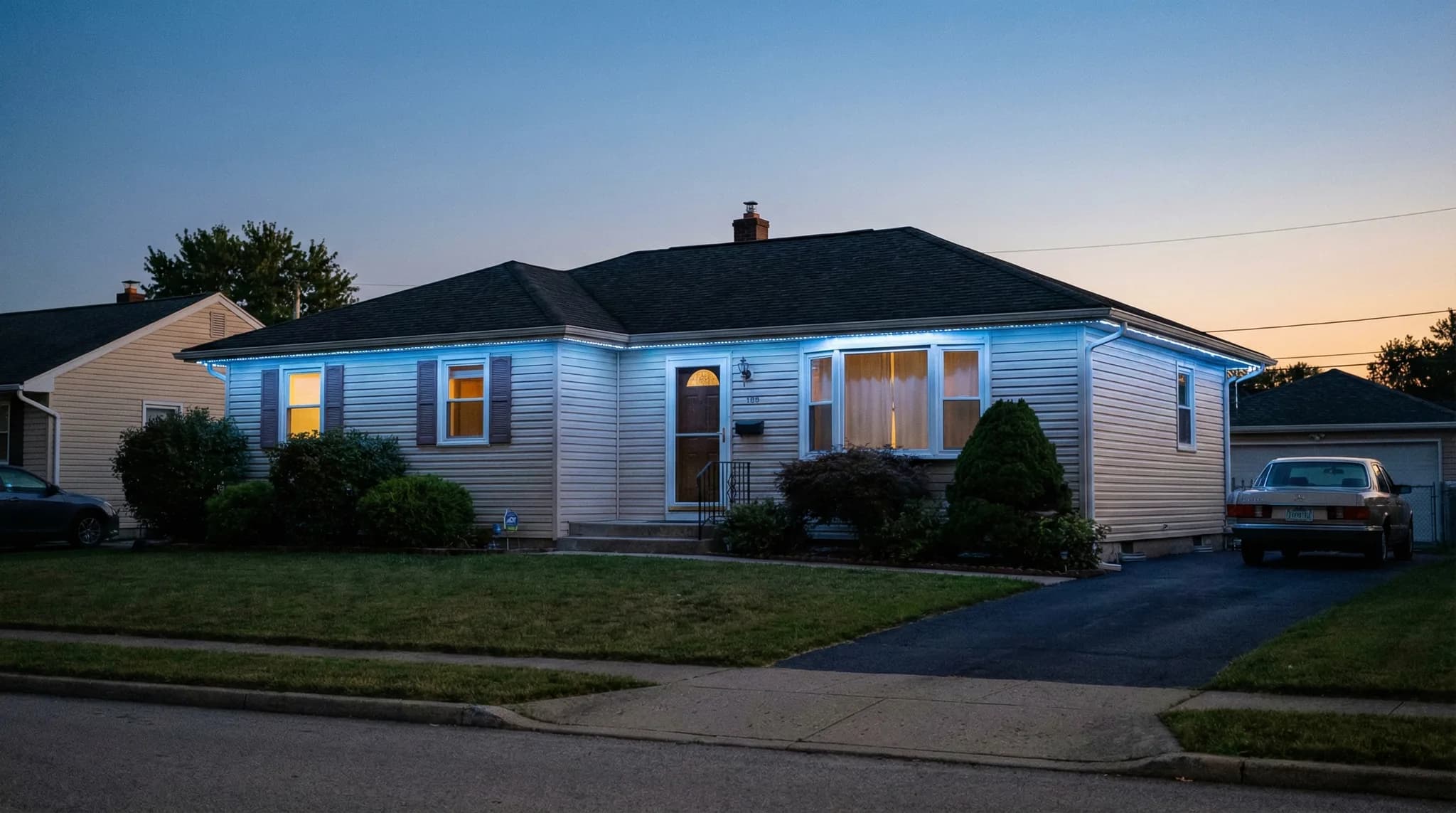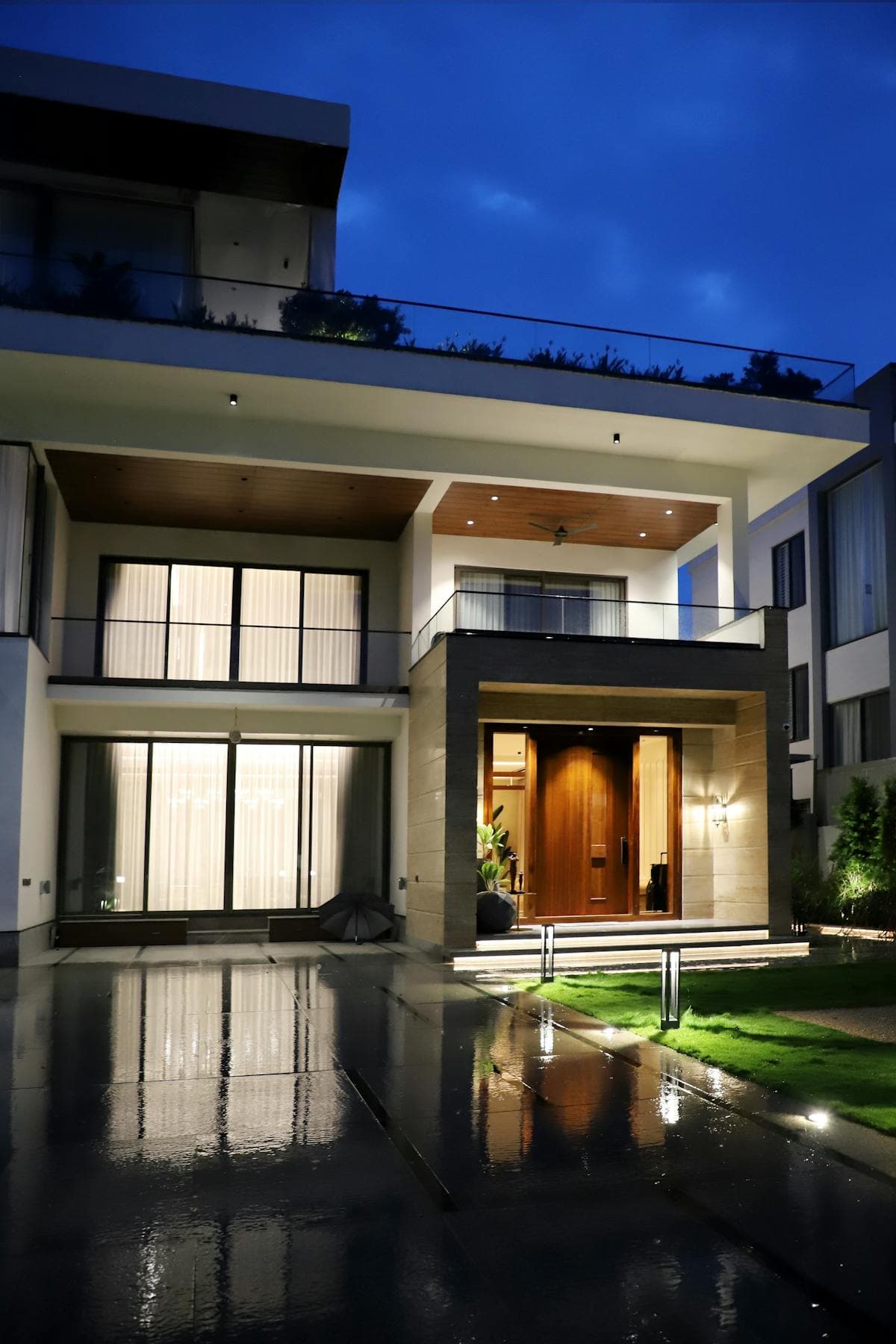
Energy-efficient outdoor lighting in Sacramento starts with LEDs – then app scheduling and dimming cut the cost even further.
Energy-efficient outdoor lighting in Sacramento comes down to three levers: the bulb technology, how long the lights run, and how bright they run. Get all three right and a whole-home exterior lighting system costs just a few dollars a month to operate – far less than most homeowners assume.
The single biggest lever is LED technology. According to the U.S. Department of Energy, LEDs use at least 75% less energy than incandescent lighting and last up to 25 times longer. Layer app-based scheduling and dimming on top of that efficiency, and you control both the energy use and the cost down to the cent.
This guide covers what makes outdoor lighting energy-efficient, how much you can save in the Sacramento market, how scheduling and dimming reduce cost, and how dark-sky and California Title 24 awareness fit in. If you want the pure dollars-and-cents math on monthly bills, pair this with our electricity cost guide.
TL;DR: The most energy-efficient outdoor lighting for Sacramento homes is a low-voltage LED system controlled by app. LEDs use at least 75% less energy than incandescent (per the U.S. Department of Energy), and app scheduling plus dimming cut the bill further by running lights only when needed and below full brightness. A whole-home permanent LED system draws 60–120 watts and costs roughly $2–$8 per month on SMUD rates. Warm-white, downward-aimed, dimmable lighting is also the most dark-sky friendly and the easiest to align with California's Title 24 outdoor lighting intent.
What Makes Outdoor Lighting Energy-Efficient?
Efficiency is not one thing – it is the product of several choices. The most efficient systems do well on every one of these:
- LED light source: LEDs convert most of their energy into light rather than heat. Per the DOE, that means 75%+ less energy than incandescent for the same useful output.
- Low-voltage design: professional permanent systems run on 12V or 24V DC, which runs cooler and wastes less energy than line-voltage fixtures. See low-voltage vs. high-voltage.
- Smart control: app scheduling and dimming ensure lights run only when useful and only as bright as needed.
- Right-sized brightness: over-lighting wastes energy and creates glare. Aiming light where it is needed (down, not up or sideways) is both efficient and dark-sky friendly.
LED vs. Halogen vs. Incandescent: Energy at a Glance
| Light Source | Relative Energy Use | Typical Lifespan | Heat Output |
|---|---|---|---|
| LED | Baseline (lowest) | Up to 25x incandescent | Very low |
| Halogen | ~4–5x more than LED | ~2,000–4,000 hrs | High |
| Incandescent | ~4–5x more than LED | ~1,000 hrs | Very high |
Energy and lifespan ranges reflect U.S. Department of Energy figures (LEDs use at least 75% less energy and last up to 25x longer than incandescent). Halogen is a type of incandescent and remains far less efficient than LED.
The pattern is consistent: LED is the efficient choice by a wide margin, and the gap holds whether you compare it to old incandescent strings or to halogen landscape fixtures. That is why every modern permanent system we install is LED-based.
How App Scheduling and Dimming Cut Your Energy Cost
LEDs reduce the cost per hour. Smart control reduces the number of hours and the intensity – and those two levers compound. A 100-watt system run at 50% brightness for four hours uses a quarter of the energy of the same system at full brightness for eight hours.
Pro Tip
On SMUD's time-of-day rates, peak hours (5–8 PM) cost the most. Schedule the bulk of your lighting hours after 8 PM, run everyday scenes at 50–70% brightness, and reserve full power for events. Our scheduling guide shows how to set this up once and forget it.
Brightness vs. Cost: The Dimming Payoff
| Brightness | Effective Watts (100W system) | Est. Monthly Cost (6 hrs/day) |
|---|---|---|
| 100% (events) | 100W | $2.31 |
| 70% (everyday) | 70W | $1.62 |
| 50% (relaxed) | 50W | $1.16 |
| 10% (overnight security) | 10W | $0.23 |
Estimates use SMUD non-summer off-peak residential rate ($0.1285/kWh), 6 hours/day. Actual costs vary by rate plan and run hours; see our electricity cost guide.
Most homeowners settle around 50–70% for daily use, which looks excellent from the street while cutting wattage substantially. The exact SMUD-rate math, including time-of-use windows, lives in our Sacramento electricity cost guide.
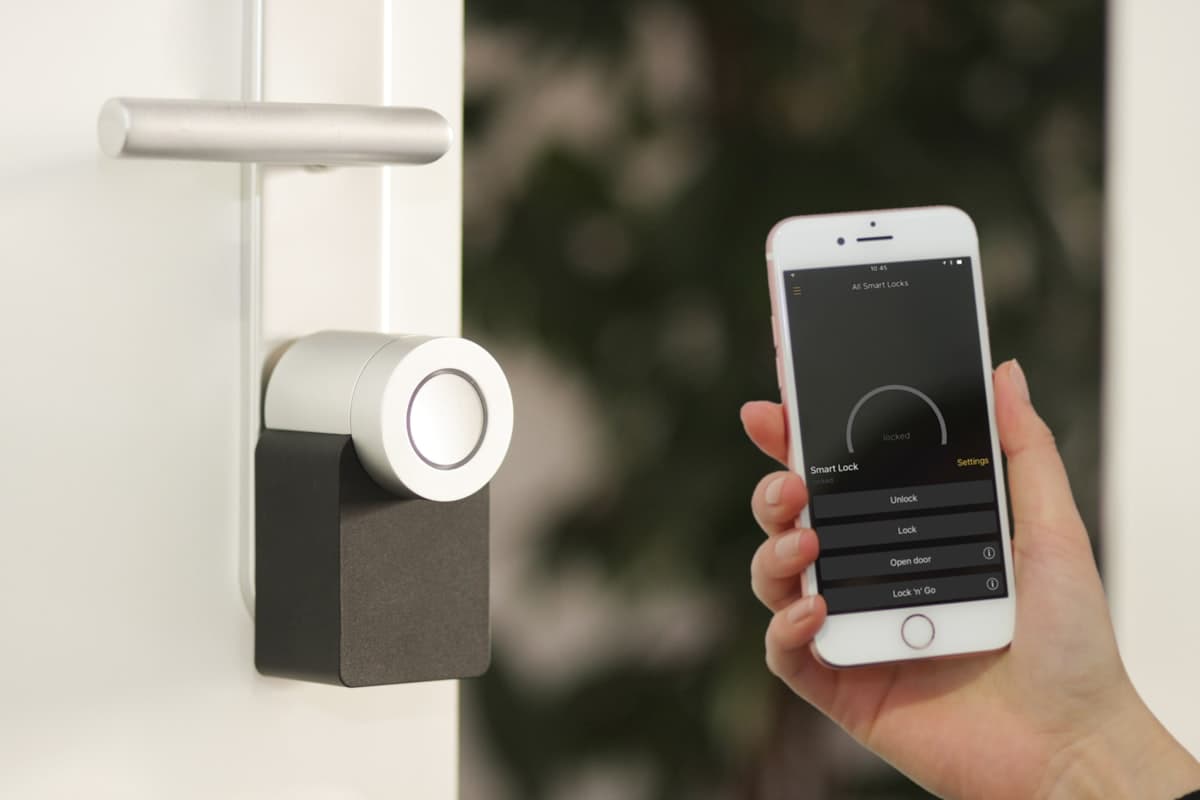
App scheduling and dimming are the difference between “LED” and “genuinely low-cost to run.”
Energy-Efficient and Dark-Sky Friendly: The Overlap
Energy efficiency and dark-sky responsibility point in the same direction. Light that escapes upward into the sky is wasted energy – you paid to produce it and it illuminates nothing useful. Aiming light downward, keeping brightness reasonable, and using warm color temperatures all reduce both waste and light pollution.
DarkSky International, the leading authority on light pollution, recommends outdoor lighting that is shielded, warm in color, no brighter than necessary, and used only when needed – principles documented in their responsible outdoor lighting guidance. A well-designed permanent LED system with scheduling and dimming naturally hits all four. For Sacramento-specific detail, see our dark-sky compliant lighting guide and our broader light pollution overview.
California Title 24 and Outdoor Lighting Awareness
California regulates building energy use through Title 24, Part 6, the state's Building Energy Efficiency Standards, maintained by the California Energy Commission. Title 24 includes outdoor lighting provisions that emphasize efficient sources (effectively LED), controls such as automatic shut-off and motion or scheduling controls, and limits on excessive lighting power.
For a typical residential permanent lighting retrofit on existing circuits, homeowners are usually not running a full Title 24 compliance project. But the spirit of the code – efficient LED sources plus automatic controls – is exactly what a well-designed permanent system delivers by default. New construction and commercial projects carry stricter, enforceable requirements, so for those, confirm specifics with your installer and local building department. Our permit and electrician guide covers when permits and code review apply in the Sacramento area.
Pro Tip
If you are building new or adding circuits, ask your installer to confirm the system's controls (automatic shut-off, scheduling) and lighting power align with current Title 24 outdoor lighting requirements. Bundling this into the design phase avoids inspection headaches later.
How Much Can a Sacramento Home Actually Save?
Two savings stories matter. First, switching from inefficient sources to LED slashes the per-hour cost. Second, replacing recurring temporary holiday installs ($500–$1,500 per year) with a one-time permanent system eliminates a large annual expense entirely.
On the energy side alone, a whole-home permanent LED system in Sacramento typically adds only $2–$8 per month to a SMUD bill – less than many homeowners spend on a single coffee run. Because Sacramento is served by SMUD, whose residential rates run well below neighboring PG&E territory, the per-kWh cost of running efficient outdoor lighting here is among the lowest in California.
The bigger savings is structural: you stop paying for seasonal labor and disposable strings every year. Our ROI breakdown and permanent vs. Christmas lights comparison put real numbers on the multi-year picture.
Want Outdoor Lighting That Barely Touches Your SMUD Bill?
We design efficient, app-controlled LED systems for Sacramento homes and calculate the exact monthly energy cost during your free consultation.
Get Your Free QuoteFrequently Asked Questions About Energy-Efficient Outdoor Lighting
What is the most energy-efficient outdoor lighting?
Low-voltage LED lighting controlled by an app is the most energy-efficient option for homes. LEDs use at least 75% less energy than incandescent (per the U.S. Department of Energy), and scheduling plus dimming reduce the cost further by running lights only when needed and below full brightness.
How much can app scheduling and dimming save on outdoor lighting?
A lot, proportionally. Running a 100-watt system at 50% brightness uses half the energy of full brightness, and scheduling shorter run windows cuts hours directly. Together, dimming and scheduling can reduce an already-low LED operating cost by 40–60% versus running at full power all evening.
Are LED outdoor lights really cheaper to run in Sacramento?
Yes. A whole-home permanent LED system draws 60–120 watts and adds roughly $2–$8 per month to a SMUD bill. Because SMUD's residential rates are among the lowest in California, the cost of running efficient LED exterior lighting in Sacramento is especially low.
Is energy-efficient outdoor lighting dark-sky friendly?
Generally yes. Efficient design avoids wasted upward light, uses warm color temperatures, and runs only as bright and as long as needed – the same principles DarkSky International recommends to reduce light pollution. A shielded, downward-aimed, dimmable LED system satisfies both goals.
Does outdoor lighting need to meet California Title 24?
It depends on the project. Replacing existing fixtures on existing circuits usually is not a full Title 24 compliance project, but new construction, added circuits, and commercial work carry enforceable outdoor lighting requirements (efficient sources plus automatic controls). Confirm specifics with your installer and local building department.
Efficient, App-Controlled, Built for Sacramento
EXT Lighting installs energy-efficient permanent LED systems across Sacramento, Roseville, Rocklin, Folsom, and surrounding communities – with scheduling, dimming, and a lifetime warranty on parts and labor.
Schedule Your Free Consultation