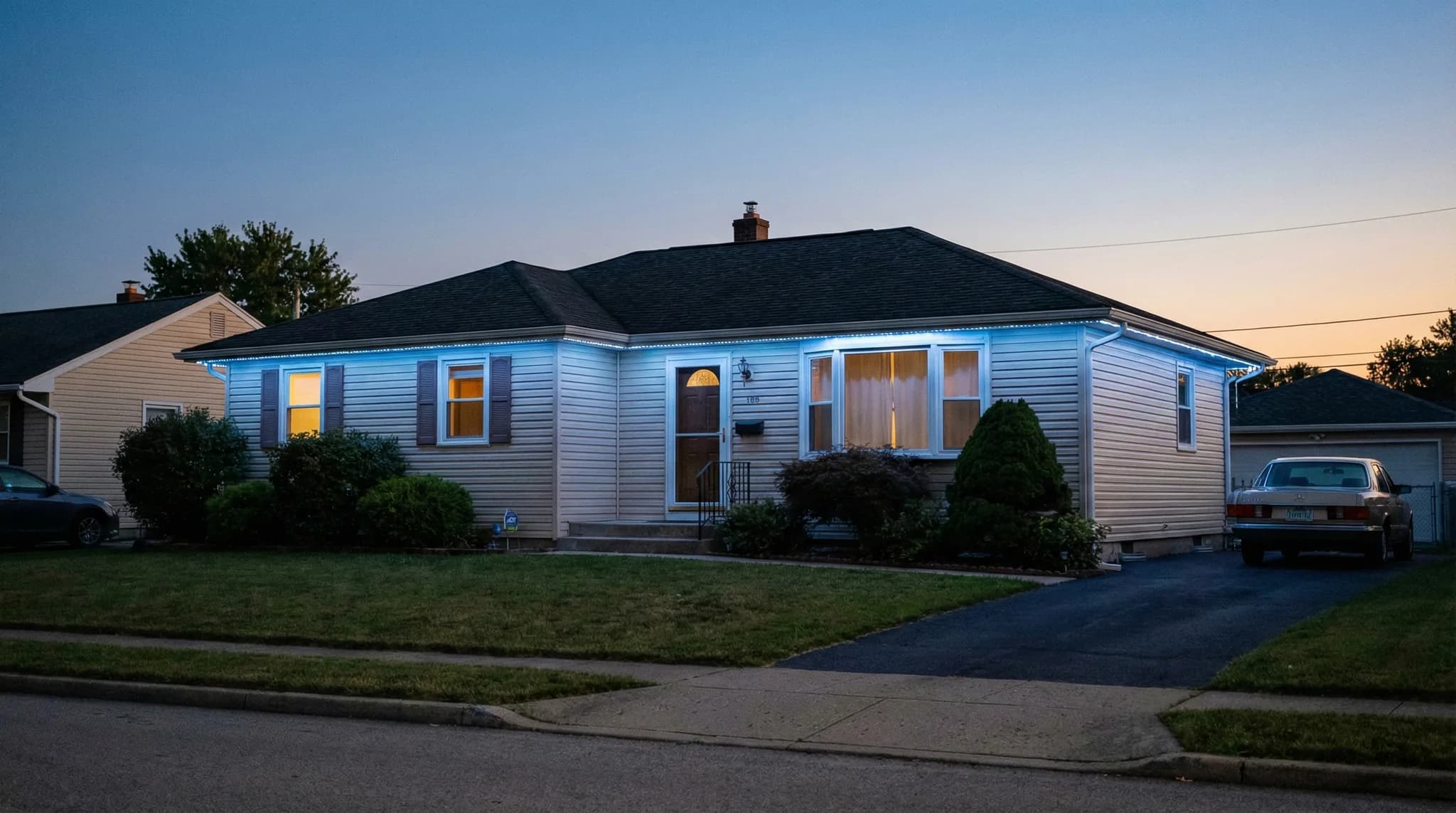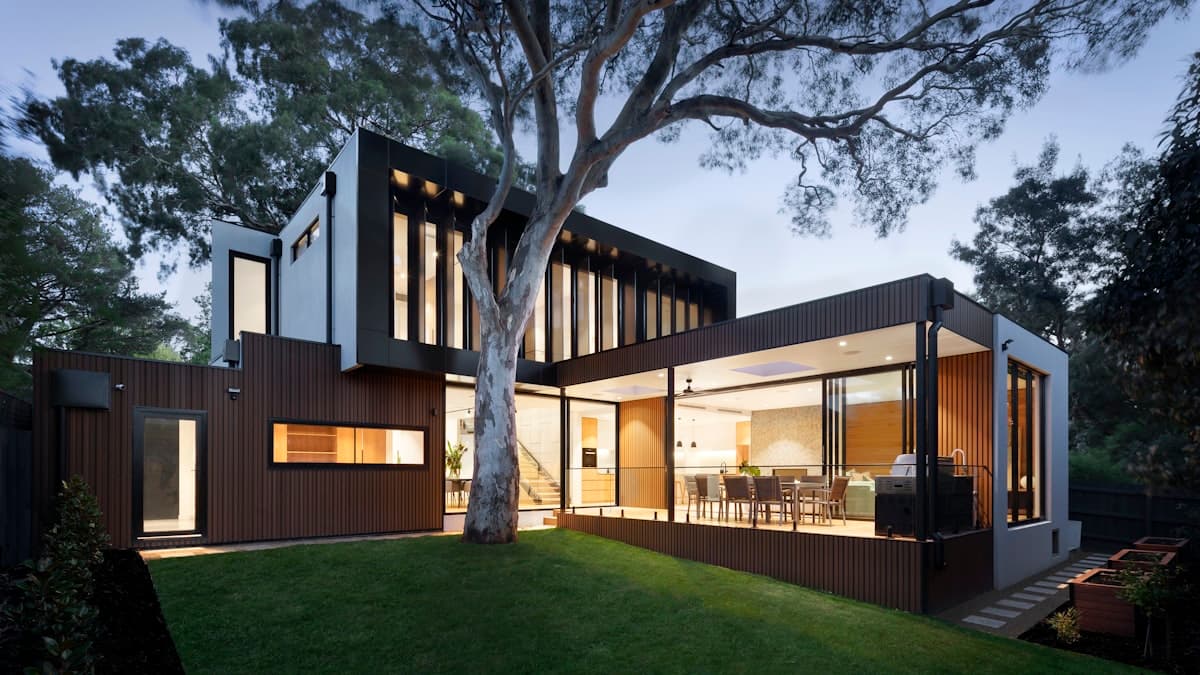
Permanent LED lights extend beyond rooflines to illuminate fences, gates, and entry columns – completing your property's exterior lighting and eliminating dark zones at ground level.
Permanent outdoor lights for fences, gates, and columns extend your lighting system beyond the roofline to where people actually enter your property. Sacramento homeowners investing in roofline LED systems often stop at the fascia board – leaving the front gate, driveway columns, fence perimeter, and entry pillars in darkness. That creates a lighting gap that undermines both curb appeal and security.
Entry columns and gate pillars are the first structures guests encounter. Fence lines define your property boundary and create the perimeter that security cameras need illuminated. These ground-level structures deserve the same app-controlled, color-changing, permanently installed LED treatment as your roofline – and the same system can power all of it.
This guide covers where permanent lights install on fences, gates, and columns in the Sacramento area, how installations integrate with roofline systems, what these projects cost, and why completing your property's lighting creates measurably better results for security, curb appeal, and home value.
TL;DR: Permanent outdoor lights install on entry columns, gate pillars, fence caps, and perimeter posts using the same LED track system as rooflines. Sacramento homeowners typically add fence, gate, and column lighting for $800–$3,500 depending on the number of structures and linear footage. These zones run on the same controller as your roofline, so one app controls everything – warm white for daily use, holiday colors on schedule, security brightness at the tap of a button. Completing ground-level lighting eliminates dark zones, strengthens security camera coverage, and creates the “finished” exterior look that boosts curb appeal and property value.
Where Permanent Lights Install on Fences, Gates, and Columns
Permanent LED track mounts to any rigid structure with a flat surface wide enough to accept mechanical fasteners. On fences, gates, and columns, that means several specific mounting locations depending on your property's architecture.
Entry Columns and Gate Pillars
Entry columns at the end of driveways are the most popular ground-level installation point for permanent LED lights in the Sacramento area. These masonry, stucco, or stone pillars typically stand 4–8 feet tall and mark the transition from public street to private property. They create the first impression for visitors and the most visible lighting opportunity after your roofline.
- Cap-mounted lighting: LED track installs along the underside of the pillar cap, pointing downward to wash light across the column face. This mimics traditional pillar lanterns but with app-controlled color and brightness.
- Vertical accent strips: LED track runs vertically along column edges, creating an architectural accent that outlines the pillar shape at night.
- Base uplighting: Ground-level track at the column base points upward, illuminating texture and creating dramatic shadows. This works especially well on stone and textured stucco.
Gate pillars that support wrought iron, wood, or automated gates use the same mounting options. When gates swing or slide, the LED track installs on the stationary pillar structure – not the moving gate itself.
Fence Lines and Perimeter Posts
Fence permanent lighting serves security as much as aesthetics. A lit fence perimeter eliminates the dark boundary zones where unwanted visitors could approach undetected. Sacramento properties with large lots in Roseville, Rocklin, Granite Bay, and Folsom frequently request fence-line lighting to complete their security perimeter.
- Post cap lights: LED modules mount under the cap of each fence post, creating evenly spaced pools of light along the fence line. This is the most common approach for wood and vinyl privacy fences.
- Top-rail track: Continuous LED track runs along the top rail of metal or composite fencing, providing uninterrupted perimeter illumination.
- Panel accent lighting: For decorative fencing with open designs (wrought iron, ornamental aluminum), LED track mounts to horizontal rails to outline the fence shape without blocking sightlines.
Driveway and Walkway Columns
Beyond entry columns, many Sacramento properties have secondary columns along driveways, at walkway transitions, or flanking garage entries. These mid-property columns create natural lighting waypoints that guide visitors from the street to the front door.
The same cap-mounted and accent-strip approaches used on entry pillars apply to these smaller columns. Connecting them to your roofline controller creates a continuous lighting experience from property edge to front door. For walkway-specific lighting details, see our driveway and walkway lighting guide.
Most Requested Fence, Gate, and Column Lighting Locations
Cost of Permanent Lights for Fences, Gates, and Columns
Ground-level permanent lighting typically costs less than roofline work because mounting heights are lower, linear footage is shorter, and access is simpler. When added to an existing roofline installation, costs drop further because the controller and wiring infrastructure are already in place.
| Structure Type | Standalone Cost | Add-On to Roofline | Typical Coverage |
|---|---|---|---|
| Entry column pair | $800–$1,500 | $500–$1,000 | 2 columns, 8–16 ft total |
| Gate pillars (with automation) | $1,200–$2,200 | $700–$1,400 | 2–4 pillars |
| Fence post caps (8–12 posts) | $1,500–$2,500 | $900–$1,600 | 40–100 ft fence line |
| Full perimeter fence line | $2,500–$5,000 | $1,800–$3,500 | 150–400 ft |
| Complete package (roofline + columns + gate) | $4,500–$9,000 | — | Full property exterior |
Prices reflect Sacramento-area estimates including materials, labor, and controller setup. Add-on pricing assumes an existing roofline controller and wiring infrastructure.Get a custom quote from EXT Lighting.
The economics favor bundling. A homeowner adding entry columns and gate pillars to a roofline installation during the same visit saves 30–50% versus doing the ground-level structures as a separate project later. The shared controller, combined trenching for wiring runs, and single mobilization fee make a significant difference. For full roofline pricing details, see our Sacramento permanent outdoor lights cost guide.
Pro Tip
If your entry columns or gate pillars already have hardwired electrical for traditional lantern fixtures, that wiring can often power a low-voltage transformer for permanent LED track. This eliminates the need for a new wiring run from the garage and reduces installation cost by $200–$500. Mention existing electrical during your consultation.
Integration: One Controller, One App, Multiple Zones
The strongest argument for permanent LED lights on fences, gates, and columns is integration. Traditional pillar lanterns, solar post caps, and landscape spotlights create a patchwork of lighting systems – different colors, different controls, different maintenance schedules, different replacement timelines.
Permanent LED track on ground-level structures runs from the same controller as your roofline. Open the app, and you see every zone on your property:
- Zone 1: Front roofline – warm white at 80%, dusk to midnight
- Zone 2: Rear roofline – warm white at 60%, dusk to 10 PM
- Zone 3: Entry columns – warm white at 100%, dusk to dawn
- Zone 4: Gate pillars – warm white at 100%, dusk to dawn
- Zone 5: Fence perimeter – 30% security dim, all night
- Zone 6: Patio cover – off unless manually activated
Every zone supports the same 16+ million colors, the same scheduling, and the same Alexa/Google Home voice control. When the holidays arrive, one tap changes every structure to red and green. On game day, the whole property displays Kings purple. For more on smart home integration, see our app control guide.
Why Integrated Zone Control Matters
Security Benefits of Lit Fences, Gates, and Columns
Lighting your property perimeter does more than look good – it creates measurable security advantages. Sacramento's property crime rate remains elevated compared to national averages, and exterior lighting is one of the most effective deterrents available to homeowners.
Lit fences, gates, and entry columns provide three specific security benefits:
1. Camera Coverage Improvement
Security cameras need light to produce usable footage. Ring, Nest, Arlo, and other popular systems work best with consistent, even illumination across their field of view. A lit fence perimeter and illuminated entry columns eliminate the dark zones where intruders could approach undetected.
Permanent LED track at 30–50% brightness provides ideal camera conditions without the harsh glare of floodlights. The warm white (2700K–3000K) output matches what cameras are optimized for and produces natural-looking footage.
2. Deterrence at the Property Edge
Police departments consistently recommend lighting the perimeter of your property, not just the building itself. A lit fence line signals that the entire property is monitored and maintained. Entry columns that illuminate at dusk tell visitors – welcome and unwelcome – that someone is home and paying attention.
For more on lighting and crime deterrence data, see our outdoor lights security guide.
3. Approach Path Visibility
Entry columns and gate pillars light the exact path someone takes to reach your front door. This creates visibility for you (through cameras or windows) and removes concealment opportunities for anyone approaching. The Sacramento Police Department recommends illuminating “all exterior doors and pathways” as a basic crime prevention measure.
Pro Tip
Set your fence perimeter zone to “security dim” (15–30% brightness) for all-night operation. This provides enough light for camera coverage and deterrence while minimizing energy use and light pollution. Schedule full brightness only for the evening hours when you're active outdoors.
Curb Appeal: Completing Your Property's Lighting Story
Real estate professionals use the phrase “lighting story” to describe how exterior illumination guides the eye from the street to the front door. A lit roofline above dark entry columns tells an incomplete story – like a well-staged living room with an unlit porch.
Completing your property's lighting with fences, gates, and columns creates several curb appeal advantages:
- Defined property boundaries: Lit entry columns and gate pillars mark where your property begins, creating a sense of arrival and intentional design.
- Vertical interest: Column lighting adds height elements that balance horizontal roofline illumination. The eye moves from roofline to columns to ground, taking in the entire property.
- Twilight photography: Listings with twilight photos receive 76% more views (Redfin). Entry columns and gate pillars lit at dusk create the warm, inviting contrast that makes twilight real estate photography compelling. For more on lighting and home sales, see our outdoor lights sell house faster guide.
- Consistent color temperature: When columns, gates, and rooflines share the same warm white default, the property presents as a unified, professionally designed space rather than a collection of unrelated fixtures.
Curb Appeal Lighting Completeness Scale
Installation Process for Fence, Gate, and Column Lighting
Installing permanent LED lights on fences, gates, and columns follows the same process as roofline work, with a few differences related to mounting surfaces and wiring runs.
Site Assessment
During your free consultation, the installer evaluates each structure for mounting options, wiring paths, and zone configuration. Key considerations include:
- Material compatibility: Stone, stucco, brick, wood, composite, and metal all accept mechanical fasteners, but the fastener type and pre-drilling requirements differ.
- Power source routing: Low-voltage wiring must run from the controller (typically in the garage) to each ground-level structure. This may involve trenching, conduit along fences, or routing through landscape beds.
- Zone planning: How many independent zones do you want? Entry columns and gate pillars often share a zone, while fence perimeters run as a separate zone with different brightness and scheduling.
Installation Day
Fence, gate, and column lighting adds 2–4 hours to a roofline installation day when done together. As a standalone project, ground-level structures typically take 3–6 hours depending on complexity.
- Wire trenching or conduit runs: Low-voltage cable routes from the controller to each structure. Direct burial cable or conduit protects the wiring.
- Track mounting: LED channel attaches to each structure using fasteners appropriate to the material. Pilot holes prevent splitting on masonry and wood.
- Connection and testing: Each zone connects to the controller and is tested for color, brightness, and scheduling accuracy.
- App configuration: New zones are added to your lighting app with default schedules and scene assignments.
For the complete installation process, see our permanent light installation process guide.
Sacramento Climate Considerations
Ground-level lighting faces different environmental exposure than roofline systems. Sacramento's climate creates specific considerations for fences, gates, and columns.
Heat Exposure
Stone and stucco columns absorb and radiate heat during Sacramento's 100°F+ summer days. IP67-rated LED track handles this heat, but mounting location matters. Cap-mounted lighting (pointing down from the top of a column) stays cooler than vertically mounted track on sun-facing surfaces. For more on heat and permanent lights, see our Sacramento extreme heat guide.
Irrigation and Landscape Proximity
Fence lines and entry columns often sit near landscape irrigation zones. IP67-rated systems handle direct water spray, but consistent overspray accelerates mineral buildup on lens covers. Adjusting sprinkler heads to avoid direct hits extends cleaning intervals.
Dust and Pollen
Sacramento's notorious spring pollen season coats horizontal surfaces heavily. Column caps and fence post tops collect more debris than vertical roofline installations. Plan for quarterly cleaning (April, July, October, December) rather than twice yearly for ground-level zones. See our maintenance guide for cleaning details.
DIY vs. Professional Installation for Ground-Level Lighting
Ground-level structures are more accessible than rooflines, which raises the DIY question. Here is an honest assessment:
What DIY Can Handle
- Solar post cap lights (no wiring, no integration, 2–4 year lifespan)
- Low-voltage landscape lighting (separate system, limited color options)
- Plug-in string lights on temporary structures
Why Professional Makes Sense for Permanent LED
- Integration: Professional systems connect to your roofline controller, creating unified zone control. DIY products operate independently.
- Wiring: Running low-voltage cable from the garage to the property edge requires trenching, conduit, and proper connections. Errors cause zone failures.
- Warranty: Professional installation includes a lifetime warranty on parts and labor. DIY voids manufacturer warranties on most premium systems.
- Material matching: Professional installers use the same LED track and color calibration as your roofline, ensuring perfect color matching across all zones.
For a detailed DIY versus professional comparison, see our DIY vs. professional permanent lights guide.
Frequently Asked Questions
Common questions from Sacramento homeowners about permanent lights for fences, gates, and columns:
Can permanent LED lights be installed on any fence material?
Yes. Wood, vinyl, composite, wrought iron, aluminum, and chain link (with added mounting rails) all accept permanent LED track. The fastener type and mounting approach vary by material, but professional installers have solutions for every common fence type in Sacramento.
Do column lights work with stone and brick?
Yes. Stone, brick, stucco, and concrete all support mechanical mounting. Professional installers use masonry anchors, tapcon screws, or surface-mount brackets depending on the specific material and desired appearance. The LED track itself is the same regardless of mounting surface.
How do permanent fence lights compare to solar post caps?
Permanent LED fence lights produce 5–10x more light output, offer 16+ million color options, last 15–25 years versus 2–4 for solar, and integrate with your roofline system for unified app control. Solar post caps cost less upfront but need replacement every few years and provide minimal light.
Can I add column and gate lighting after my roofline is already installed?
Yes. Retrofitting ground-level zones to an existing roofline system is straightforward. The installer runs low-voltage cable from your existing controller to the new structures and configures additional zones in the app. The only difference versus doing it all at once is the trenching cost, which you pay twice instead of once.
Will permanent fence lights bother my neighbors?
Not if installed correctly. Fence perimeter lighting should point inward (toward your property) or downward (toward the ground). The default warm white color at 30–60% brightness is well within California light trespass guidelines. See our light pollution guide for neighbor-friendly settings.
Do HOAs allow permanent lights on fences and columns?
Most Sacramento-area HOAs approve permanent outdoor lighting on entry columns and gate pillars without issue. Fence perimeter lighting occasionally requires architectural review, particularly if your fence faces a common area. Static warm white at moderate brightness passes review in nearly all cases. For HOA-specific guidance, see our Sacramento HOA lighting guide.
Complete Your Property's Lighting
A lit roofline is a great start. Adding permanent LED lights to your fences, gates, and entry columns completes the picture – creating the security, curb appeal, and unified aesthetic that makes a property stand out in Sacramento's competitive real estate market.
Whether you're planning a new installation or adding zones to an existing system, EXT Lighting provides free consultations and custom quotes for Sacramento, Roseville, Rocklin, Folsom, and surrounding communities. One controller, one app, every structure on your property – lit exactly how you want, when you want.
Get a free quote for fence, gate, and column lighting and see what completing your property's exterior lighting looks like.